What First-Time Patients Should Expect From Fotona Laser Treatments
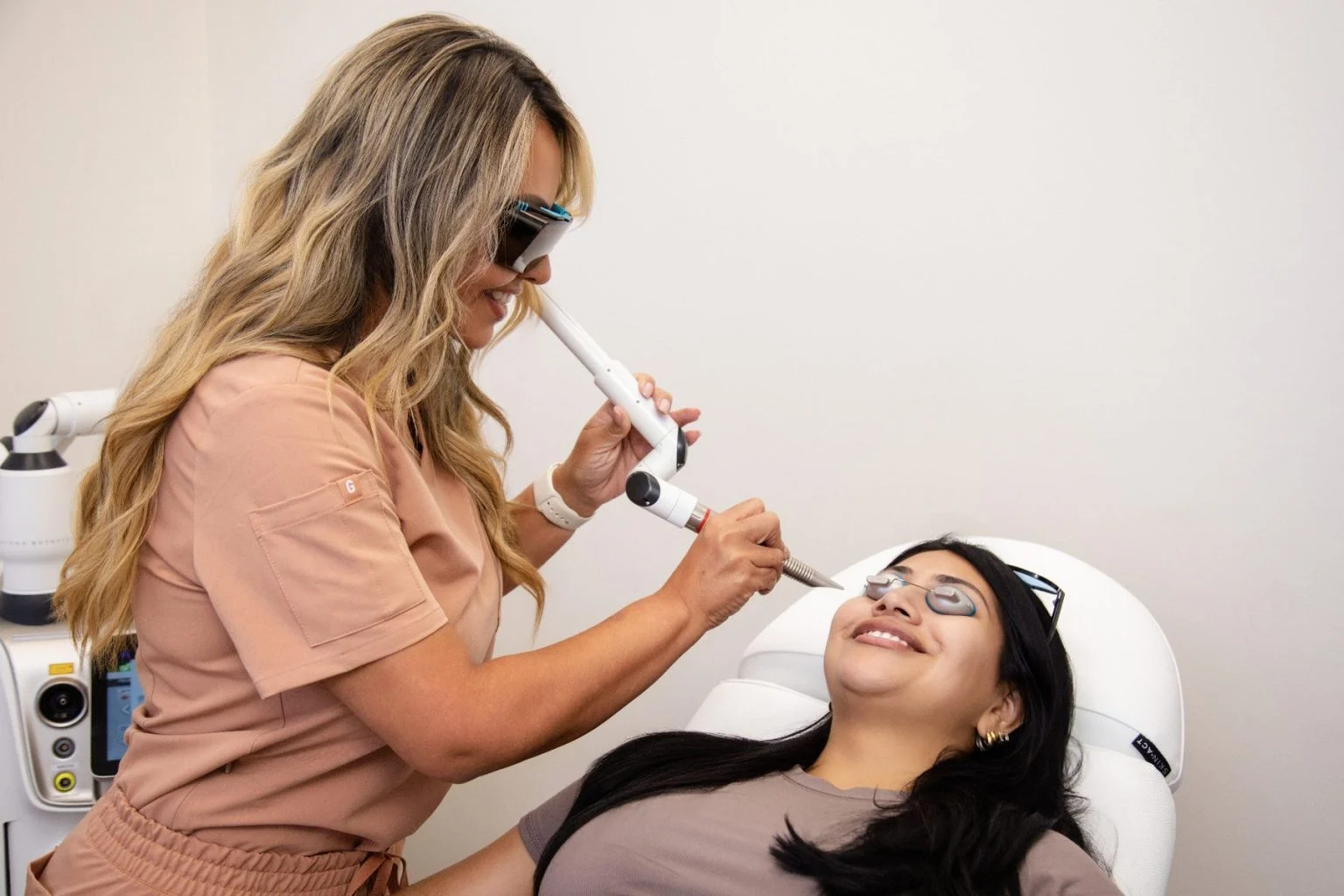
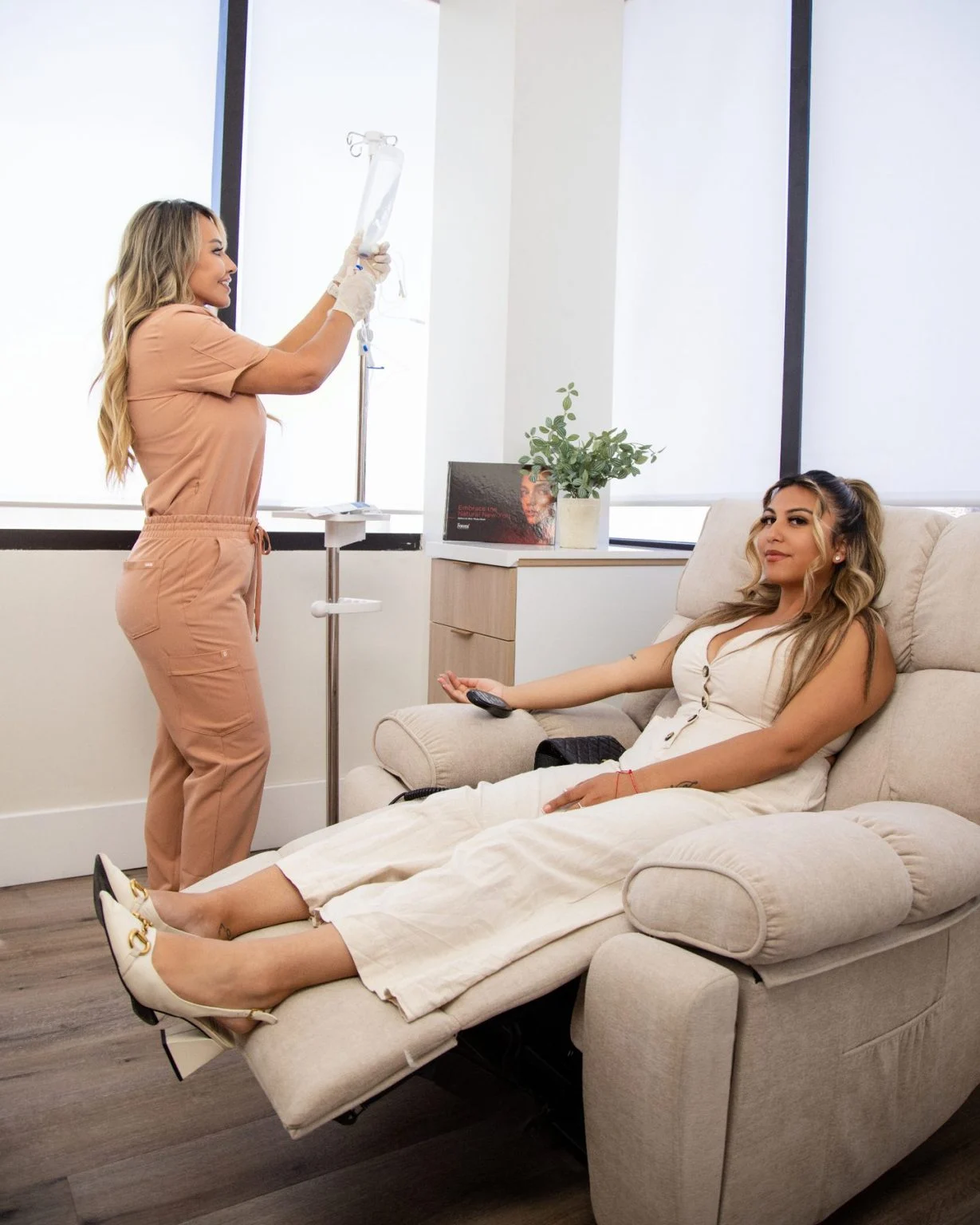
If you are considering Fotona Laser Treatments for the first time, the most useful thing to know is that there is no single, universal “Fotona experience.” Fotona is a laser platform used for several different concerns, from skin rejuvenation and acne scar revision to pigment issues, vascular redness, vaginal wellness indications, and even snoring-related treatments in some practices. The device matters, but the protocol, the practitioner’s judgment, and the condition being treated matter just as much.
That distinction often gets lost in marketing. Patients arrive expecting one standard treatment with one standard recovery time, then feel confused when a friend’s experience sounds completely different. One person may walk out mildly pink and go to dinner that night. Another may feel warm, swollen, and socially unavailable for several days. Both can be normal, depending on settings, skin type, treatment depth, and the goal of the session.
A first appointment tends to go much more smoothly when you know what questions to ask, what the treatment room will actually feel like, and what recovery really looks like after the numbing cream has worn off. That is where expectations matter. Good laser work is rarely dramatic in a single instant. It is usually a sequence of well-planned visits, careful aftercare, and small clinical decisions that shape the result.
The first step is usually more conversation than treatment
A reputable clinic should not rush your first visit, especially if the plan involves resurfacing, scar work, melasma-prone skin, or a history of post-inflammatory hyperpigmentation. The consultation is where the practitioner figures out whether you are a good candidate, whether Fotona is the right tool, and how aggressive the treatment can safely be.
Expect them to ask about more than the visible issue. Your medical history affects laser planning. Recent sun exposure, active acne flares, oral isotretinoin history, cold sore outbreaks, rosacea, eczema, autoimmune disease, pregnancy status, and tendency toward keloids can all change the decision. So can medications that increase photosensitivity or impair healing.
This is also where an experienced provider will slow you down if your expectations are unrealistic. Acne scars do not vanish in one pass. Deep static wrinkles rarely respond like fine textural lines. Melasma can worsen if the wrong energy or wrong patient is chosen. If your consultation feels like a sales script instead of a medical assessment, pay attention to that feeling.
Many first-time patients are surprised by how much time gets spent discussing skin tone and tanning habits. That is not nitpicking. It is one of the biggest safety variables in laser medicine. The same protocol that works beautifully for a fair patient in winter may be too risky for someone with a deeper skin tone, recent tan, or barrier irritation.
Why the exact treatment name matters
“Fotona Laser Treatments” is a broad phrase. Within that umbrella, there are different modes and branded protocols. You may hear names such as fractional resurfacing, smooth-mode tightening, scar revision treatments, or combination sessions that stack more than one approach into a single visit.
From a patient’s point of view, these differences affect four things most:
- how much discomfort to expect
- how visible the downtime will be
- how many sessions may be needed
- how quickly you may notice changes
- how strict your aftercare must be
A light rejuvenation treatment may feel https://fernandohfmb836.novacrestiq.com/posts/fotona-laser-treatments-for-modern-non-surgical-aesthetics like fast snaps of heat and leave you red for a day or two. A more intensive resurfacing session may involve stronger numbing, a longer appointment, several days of heat and swelling, and a recovery phase where the skin looks bronzed, rough, or grid-marked before it improves. Neither is “better” by default. They serve different goals.
This is why you should ask your provider a very plain question: “What exactly are we treating today, and what am I likely to look like on days one, three, and seven?” Good clinicians answer that clearly.
Before treatment day, there is usually some prep involved
Patients often focus on the laser itself and forget that preparation can influence both safety and outcomes. For example, if you arrive with a fresh tan, active cold sore, inflamed skin barrier, or self-tanner on the treatment area, the plan may need to be postponed. That can feel frustrating in the moment, but it is often the safest call.
Most offices give pre-treatment instructions a few days to a few weeks in advance, depending on the procedure. Follow them more closely than you think you need to. The patient who treats laser prep casually is often the same patient who has unnecessary irritation afterward.
Common instructions may include avoiding unprotected sun exposure, stopping retinoids for several days before treatment, pausing exfoliating acids, and arriving with clean skin free of makeup, heavy moisturizer, or fragrance. If you have a history of cold sores and the treatment is near the mouth, antiviral prophylaxis may be discussed. That is not overcautious. Laser heat can trigger outbreaks, and a herpetic flare on healing skin is a complication worth preventing.
If you are prone to anxiety, tell the office beforehand. Many first-time patients are less worried about the result than about the sensation. Some clinics can adjust timing, talk you through the process, or use comfort measures more effectively if they know you are nervous before you walk in.
What the treatment room actually feels like
The practical details are usually less glamorous than online before-and-after galleries. You may have photographs taken in consistent lighting. A topical numbing cream may sit on the skin for 20 to 45 minutes, sometimes longer for more intensive procedures. Protective eyewear is used, and the room may smell faintly clinical, warm, or smoky once treatment begins. That smell can surprise people, especially during ablative or resurfacing work. It is normal and often described as singed hair or heated skin debris.
The sensation itself depends on the protocol. Some Fotona Laser Treatments feel like quick rubber-band snaps mixed with warmth. Others feel more like repeated hot pinpricks or a concentrated burst of heat. If the treatment is fractional or ablative, discomfort can build as the session goes on, especially once the skin is already warm. Cooling air, pauses between passes, and good communication make a noticeable difference.
Patients often ask whether numbing cream makes the treatment painless. Usually, no. It makes it tolerable. That is different. A gentle session may be easy enough that people chat through it. A stronger resurfacing pass may still make you grip the chair a little, particularly over the upper lip, around the nose, or on bony areas where skin is thinner. Those zones are famously less forgiving.
The appointment length also varies more than many expect. The laser portion itself can be fairly quick, while prep, photos, consent, numbing, cleansing, post-treatment cooling, and aftercare review take longer than the actual firing time.
Immediately after, your skin may not look dramatic yet
A common misconception is that results show up the moment the treatment ends. More often, what you notice first is heat, redness, and swelling. Depending on the settings, your skin may look flushed, puffy, speckled, or lightly sunburned. Some patients feel perfectly fine in the office and then develop more swelling a few hours later, especially around the eyes if the face was treated.
This is normal enough that many experienced laser patients plan a quiet evening after treatment, even when downtime is described as minimal. Heat tends to peak later than people expect. Your face may feel tight, warm, and oddly tender when washing or applying ointment that first night.
For resurfacing-style treatments, the skin can go through a sequence that catches first-timers off guard. Redness is followed by a bronzed or rough texture. Tiny grid-like marks or microdots may become visible. The skin then feels dry or sandpapery before flaking or shedding. That process can look worse before it looks better, which is emotionally hard for some patients even when it is medically expected.
Downtime is not just about days off work
One of the most useful ways to think about recovery is to separate medical downtime from social downtime. Medical downtime is the period when the skin is actively healing. Social downtime is the period when you simply do not want people asking what happened to your face.
Those are not always the same. A person with mild redness may be medically stable and able to work the next day, but still feel self-conscious on video calls. Another person may technically be cleared to wear mineral makeup after a certain point yet prefer to stay home until flaking settles down. This matters when scheduling around events, travel, weddings, or client-facing work.
For lighter protocols, visible recovery may be one to three days. For more intensive resurfacing, it can be several days to a week or a bit longer before you look polished again. Pinkness can linger beyond that, especially in fair or reactive skin. The safer assumption for first-time patients is that recovery often takes slightly longer than the most optimistic estimate they saw on social media.
Aftercare is where many outcomes are protected or undermined
The laser creates controlled thermal injury. What you do in the following days affects how cleanly that injury heals. Patients sometimes focus so hard on choosing the right device that they underestimate the importance of the boring part, namely cleansing, moisturizing, sun avoidance, and not picking at rough texture.
The instructions you receive should be specific to the type of treatment you had. A non-ablative session may call for bland skincare, strict sunscreen use, and a temporary pause on active ingredients. A more ablative or intensive treatment may involve occlusive ointment, vinegar soaks or gentle cleansing instructions depending on the office protocol, and closer follow-up.
The biggest mistakes I see patients make are not dramatic ones. They are small lapses that feel harmless at the time. Using retinol too soon. Going for a brisk sunny walk because “it’s only ten minutes.” Scrubbing off flakes to speed things up. Applying fragranced products because the usual moisturizer “should be fine.” Healing skin is less forgiving than normal skin.
A sensible aftercare routine often comes down to a few basics:
- cleanse gently, exactly as instructed
- keep the skin comfortably moisturized, not stripped
- avoid heat, friction, and active skincare too early
- use broad-spectrum sun protection once advised
- contact the clinic if pain, ooze, or unusual worsening develops
That last point matters. Mild redness, warmth, swelling, and flaking are expected in many protocols. Escalating pain, honey-colored crusting, pus, fever, or sharply increasing redness deserve a call.
Results usually come in stages, not all at once
First-time patients often check the mirror too early and panic. The first week is often not the result. It is recovery. The skin may still be inflamed, dry, tight, or dull-looking before it turns the corner. For collagen-focused treatments, meaningful change usually takes time because the biology takes time. New collagen formation and remodeling are not overnight events.
You might notice a short-term “glow” once the surface settles, but more durable improvements in texture, fine lines, pore appearance, and mild laxity often emerge gradually over several weeks to a few months. Scar work and deeper texture concerns usually need repeated sessions. A thoughtful provider will say that clearly before you start.
There is also a trade-off between intensity and downtime. More aggressive settings may produce more visible short-term change per session, but they also increase recovery demands and risk. Conservative settings may be easier to tolerate and safer for some skin types, but they generally require more treatments. Neither approach is inherently right. The right plan depends on your skin, schedule, budget, and appetite for downtime.
What can affect your final outcome more than patients realize
Skill matters. That sounds obvious, but patients often shop by device name alone, as if owning the platform guarantees equal results. It does not. Laser medicine is technical. The practitioner has to choose the right mode, energy, density, depth, endpoint, and treatment spacing, then adjust for your skin type, treatment history, and reaction in real time.
Two clinics may both advertise Fotona Laser Treatments and deliver very different patient experiences. One may treat conservatively and focus on gradual improvement. Another may push intensity for dramatic before-and-after photos. Sometimes the conservative office gives the better long-term outcome because it avoids complications. Sometimes the aggressive office gets a striking result on the right patient. Judgment is the separator.
Your skin history matters too. Patients with rosacea, melasma, frequent breakouts, barrier damage, or a habit of overusing active skincare often need a more measured approach. The best laser session in the world cannot fully compensate for a chronically inflamed skin barrier or daily unprotected UV exposure afterward.
Questions worth asking before you commit
Some of the most important questions are not about technology, they are about planning and follow-through. You want to understand not only what happens on treatment day, but what the entire course may look like.
Ask who will perform the treatment, how often they do this exact protocol, and what recovery tends to look like for patients with skin like yours. Ask how many sessions are commonly recommended for your concern. Ask what complications they watch for in your skin type, and what the office does if one occurs. If the answer to every question is breezy and simple, that can be a warning sign. Real laser treatment is effective, but it is not casual.
If you are treating acne scars, for example, it is reasonable to ask whether subcision, radiofrequency microneedling, chemical peels, or fillers might play a role too. If you are treating pigment, it is wise to ask whether topical pigment suppression or maintenance care will be needed after the laser series. The strongest plans are often combination plans.
Cost expectations and why “per session” can be misleading
Pricing varies widely by region, provider expertise, treatment area, and treatment intensity, so broad numbers are not very useful. What is useful is understanding that the cheapest session is not always the least expensive path. A lower-priced treatment that is too weak for the problem may leave you paying for many visits with modest change. On the other hand, paying for the most aggressive treatment available is not automatically wise either, especially if your skin type or schedule cannot support the recovery.
First-time patients do best when they ask for the expected treatment range rather than just the single-session price. If the likely plan is three to five treatments, you should know that before starting. If maintenance is common for your concern, you should know that too. That is not pessimism. It is honest treatment planning.
When Fotona may be a strong option, and when it may not be
For the right patient, Fotona can be a very useful platform because it allows a provider to treat different layers and concerns with flexibility. It can be especially appealing for patients who want skin renewal without surgery, or for those who need a protocol tailored to textural issues, mild laxity, or selected scar concerns.
Still, there are cases where another modality may be more appropriate. Very deep acne scars may need combination treatment rather than laser alone. Significant skin laxity may exceed what non-surgical treatment can realistically deliver. Active melasma or a heavily sun-exposed lifestyle may call for extra caution. Patients hoping for a facelift-level change from a lunchtime procedure are usually setting themselves up for disappointment, regardless of the brand name on the machine.
That is not a knock on the technology. It is a reminder that good medicine starts with matching the tool to the problem.
The emotional side of a first laser treatment
This part gets overlooked. Even well-informed patients can feel vulnerable after a facial procedure, particularly during the phase when the skin looks inflamed before it looks improved. If you are used to controlling your appearance closely, temporary redness, swelling, or visible texture can feel more upsetting than you expected. That does not mean something went wrong.
It helps to plan for that mentally. Do not schedule your first treatment right before a reunion, photo shoot, first date, or important presentation. Do not assume makeup will hide every stage of healing. Do not compare your recovery hour by hour to someone else’s post online, because lighting, filters, skin type, and treatment settings vary too much for that to be useful.
The patients who tend to be happiest are not necessarily the ones with the most aggressive treatments. They are the ones who understood the process going in, chose a qualified provider, followed instructions, and gave the treatment enough time to work.
What a good first experience usually looks like
A good first experience is not always the one with the most dramatic immediate change. Often, it is the one where nothing feels mysterious. You knew what was being treated. You knew how it would feel. You knew what the next week would likely look like. You knew when to call if something seemed off. You were not promised perfection, and you were not pressured into intensity that did not fit your skin or your life.
That is what first-time patients should expect from Fotona Laser Treatments at a well-run practice: thoughtful screening, a tailored plan, realistic language, clear aftercare, and gradual improvement that makes clinical sense for the problem being treated.
If your consultation gives you those things, you are probably in the right place. If it gives you only hype, keep looking.
OMNIA Wellness Center
Address: 16430 Ventura Blvd Ste 207, Encino, CA 91436
Phone number: +18183868511
FAQ About Fotona Laser Treatments
What is a Fotona laser good for?
A Fotona Laser system is a versatile, dual-wavelength medical laser used primarily for non-surgical skin tightening, anti-aging rejuvenation, and dermatological treatments.
How much does the Fotona laser cost?
The cost of a Fotona laser depends heavily on whether you are looking to purchase a laser machine for a medical practice or are a patient seeking a laser treatment at a medspa.
Is a Fotona laser worth it?
A Fotona laser treatment is generally worth it if you want non-surgical skin tightening, improved texture, and collagen stimulation with very little downtime.